Pavers or poured concrete? It is one of the first questions homeowners ask when they start planning a patio, and both can be good choices. The right answer depends on your budget, how long you plan to stay in the home, and how you want the space to look. Here is an honest side-by-side comparison.
Cost: Concrete Is Cheaper Up Front
Concrete costs less to install. Current cost guides put a standard poured concrete patio at roughly $4 to $15 per square foot, while pavers run roughly $6 to $30 per square foot, depending on the material, pattern and site. Stamping, coloring and decorative finishes can push concrete toward paver pricing, so the gap narrows when you want concrete to look like something other than a gray slab.
Lifespan and Cracking
This is where pavers pull ahead. A concrete patio is a single rigid slab. When the ground underneath shifts, freezes and thaws, or settles, the slab has nowhere to go, so it cracks. Cracks in poured concrete are common over time. One 2026 cost guide estimates that poured slabs last around 25 years on average, while pavers can last up to 50 years.
Pavers are individual units set over a compacted base, so they flex slightly with the ground instead of breaking. Water also drains through the joints between pavers instead of sitting on the surface. Middle Tennessee winters bring regular freeze and thaw cycles, which is hard on rigid surfaces.
Repairs
If a section of concrete cracks or sinks, repair usually means patching, grinding or replacing a large piece, and the repair often shows. If a paver settles or gets stained, a contractor can lift it, fix the base and set it back, or swap in a new one. Pavers are also easy to expand later, which is useful if you want to add a fire pit area or extend the patio down the road.
Looks and Design
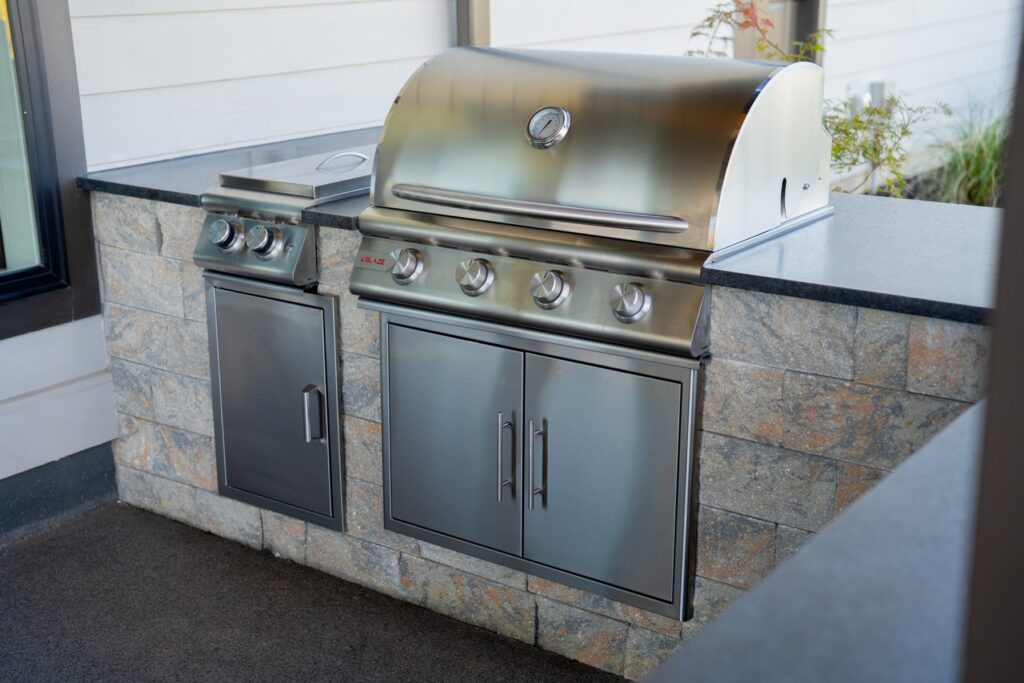
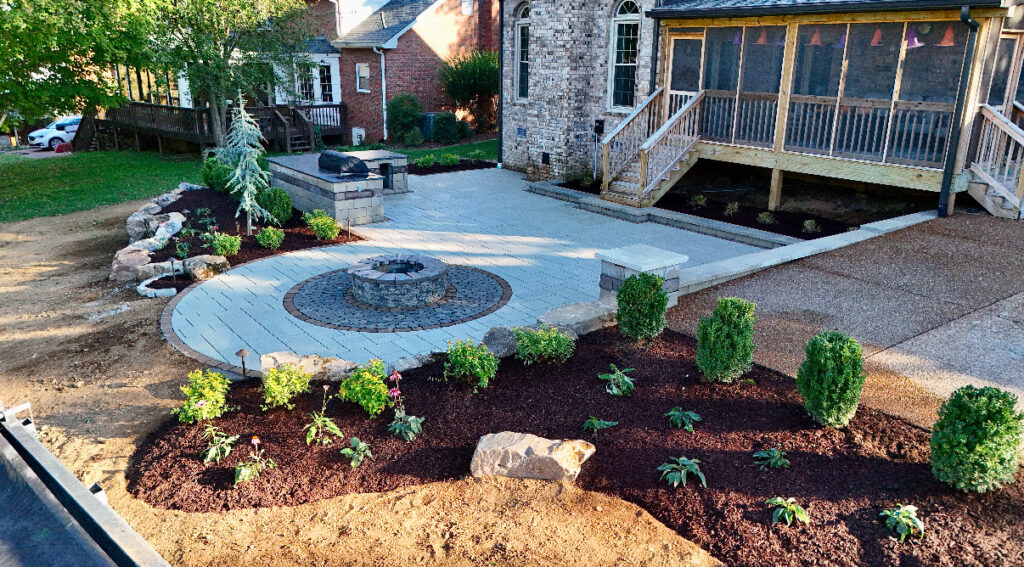
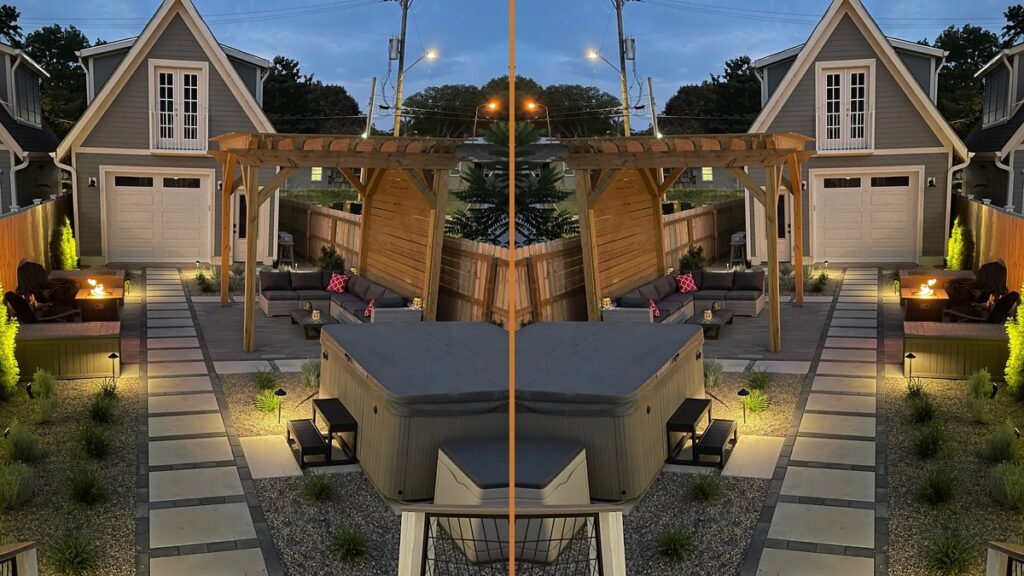
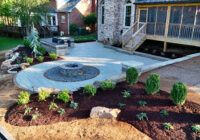
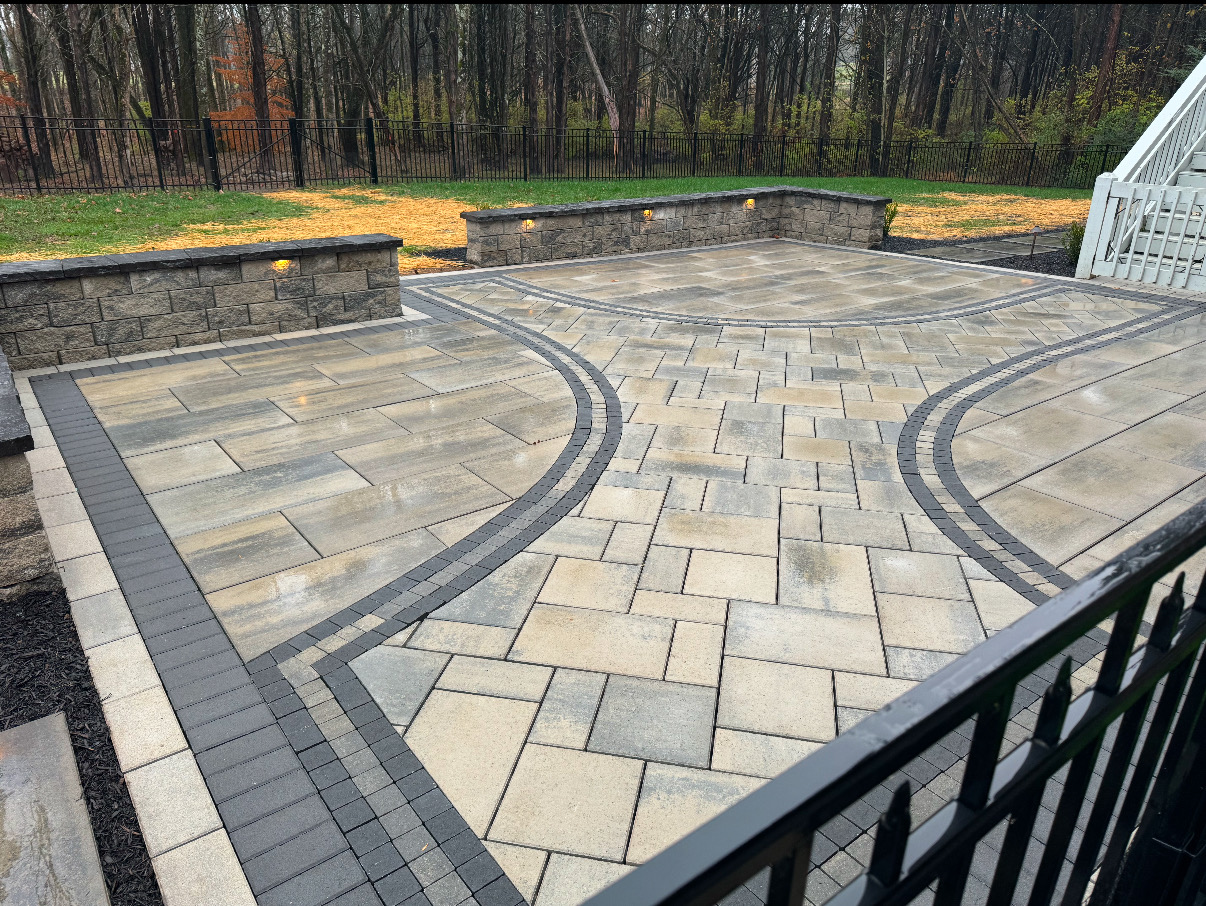
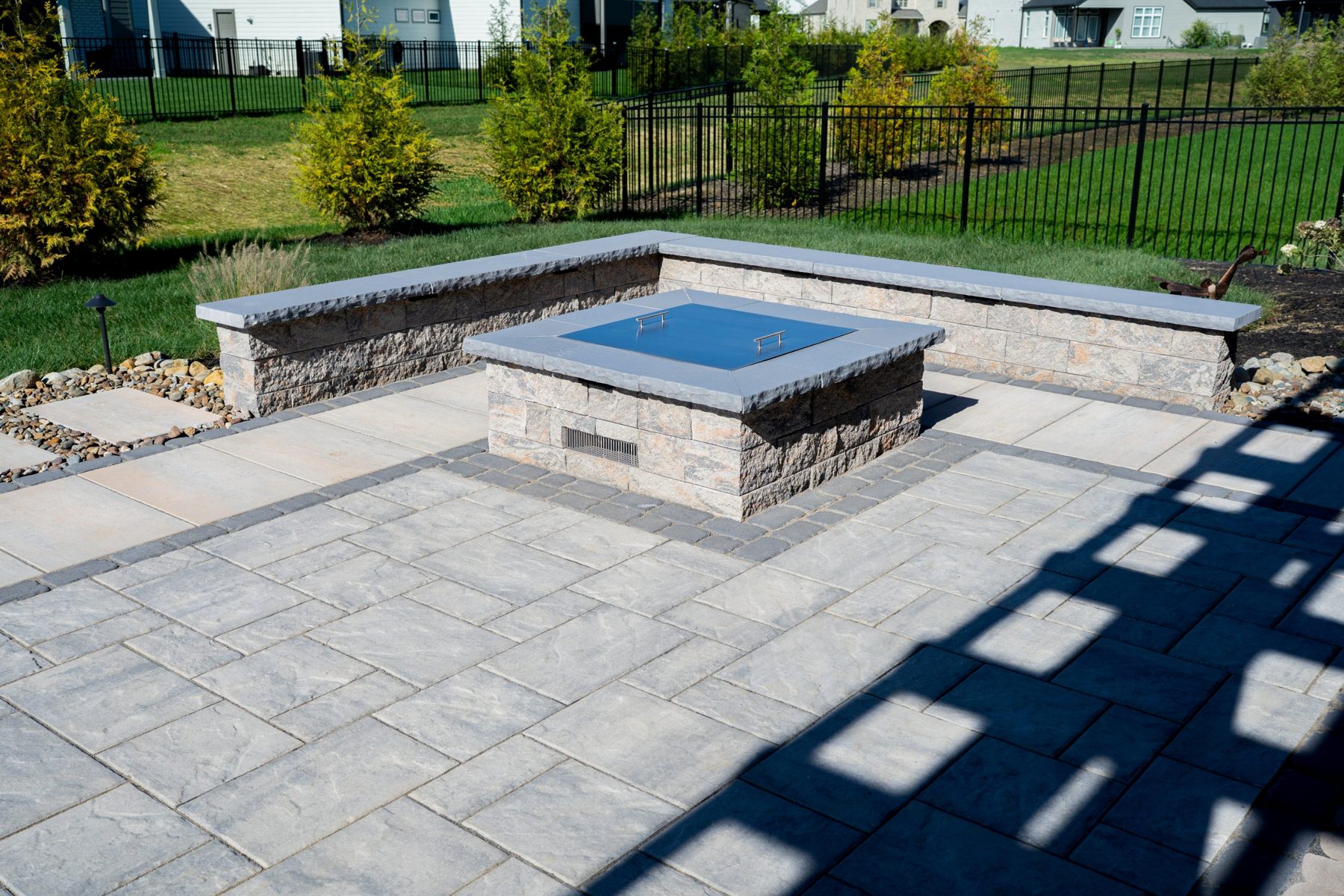
Concrete can be stamped or stained, but it is still one continuous slab of a single material. Pavers come in a wide range of colors, textures and shapes and can be laid in patterns like herringbone, running bond or basketweave. They also let you build in borders, inlays, curves, seat walls and steps with a more custom, finished look.
Maintenance
Neither surface is maintenance-free. Pavers typically need occasional joint sand, weeding between joints, and sealing every few years if you want to protect the color. Concrete generally needs resealing every one to three years and crack repair as it ages. Both need regular cleaning.
Which One Should You Choose?
- Choose concrete if you need the lowest upfront cost for a simple, utilitarian surface and you are comfortable with the chance of cracks over time.
- Choose pavers if you want a long-lasting, repairable surface, a custom design, and a patio that adds to the look of your home.
Why the Base Matters More Than the Surface
No matter which material you choose, the patio is only as good as the base beneath it. Poor excavation, an uncompacted base or bad drainage will cause sinking and settling in either one. That is why we put so much care into site prep, and why every paver patio we install is backed by our 10-year no sink, no settle warranty.
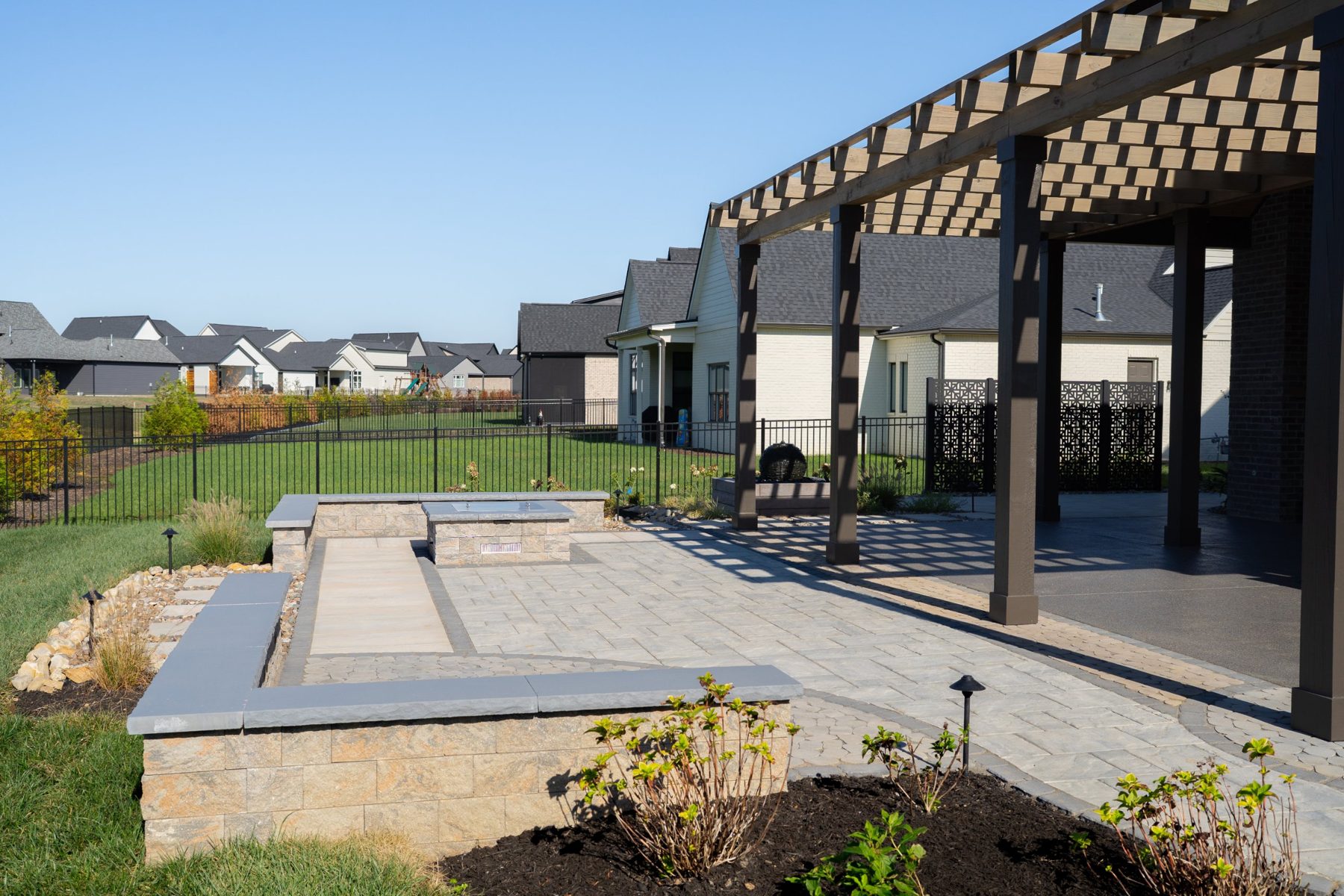
To see what we build, visit our paver patio services in Nashville or read our complete guide to paver patios in Nashville.
Ready to Talk About Your Project?
Cedarscape Designs serves Nashville, Mt. Juliet, Lebanon and the surrounding Middle Tennessee communities with a combined team expertise of over 25 years. Call us at 615-917-5402 or request a free consultation and we will walk your property with you.